Driver and Occupant Monitoring Systems
How These Technologies Can Prevent Distracted Driving
Distracted driving remains one of the leading causes of crashes, yet emerging in-vehicle technologies are changing how we detect, understand, and prevent risky behavior behind the wheel. Driver and Occupant Monitoring Systems use discreet sensors and intelligent monitoring to help ensure drivers stay focused, alert, and engaged with the roadway.
In this webinar, experts will break down how these systems work, why they’ve become a critical component of advanced driver assistance systems (ADAS), and how automakers around the world are using them to address distraction, drowsiness, and impairment in real time. We’ll explore how attention-sensing technology bridges the gap between human behavior and vehicle safety, creating new opportunities to prevent crashes before they happen.
You’ll learn:
-
What Driver and Occupant Monitoring Systems measure and how they detect distraction, fatigue, and impairment
-
Why attention monitoring is becoming a foundational element of modern vehicle safety design
-
Real-world examples of how these technologies are being deployed to reduce risky driving behaviors
-
How safety advocates, policymakers, and industry leaders can leverage attention data to strengthen prevention strategies
Whether you’re new to driver monitoring technology or looking to better understand its role in the future of roadway safety, this session will provide a practical, global perspective on how attention systems can support safer driving outcomes across transportation, policy, education, and community engagement.
Webinar aired live on February 24, 2026 at 11AM ET.
Webinar Speakers

J.T Griffin
Principal, Griffin Strategies, LLC

Aimee Cox
Research Scientist, Insurance Institute of Highway Safety (IIHS)
Aimee Cox is a research scientist at the Insurance Institute for Highway Safety. Ms. Cox joined the Institute in 2020 and conducts research on older drivers and distracted driving. She received a bachelor’s degree from Eastern Michigan University and a master’s degree in public health from the University of South Florida.
Fact Sheet: Key Takeaways
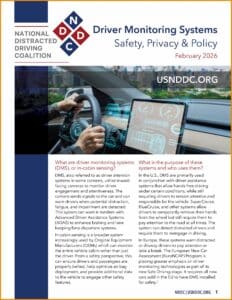
To make this webinar even more actionable, we’ve prepared a downloadable fact sheet that brings together the most important insights on Driver and Occupant Monitoring Systems in one easy-to-reference resource.
Inside, you’ll find:
-
A clear explanation of how Driver Monitoring Systems (DMS) and in-cabin sensing work to detect distraction, drowsiness, and impairment using inward-facing cameras
-
Real-world data showing how these technologies can reduce crashes and injuries, including evidence that DMS can significantly lower bodily injury and property damage claims
-
An overview of how DMS integrates with ADAS features like lane keeping and emergency braking to improve overall vehicle safety
-
Key privacy considerations, including how many systems rely on in-vehicle “edge computing” and abstract data points rather than storing or transmitting identifiable video
-
Global policy trends and safety mandates driving adoption, from Europe’s DMS requirements to emerging U.S. safety standards
-
Quick facts highlighting consumer acceptance, regulatory momentum, and the future role of attention systems in saving lives
Whether you’re briefing stakeholders, educating partners, or building support for technology-based prevention strategies, this fact sheet ensures the core takeaways from the webinar are right at your fingertips.
NDDC Steering Committee Press Contacts
Nick Chabarria
Automobile Club Of Missouri


JOE YOUNG
Insurance Institute for Highway Safety